Create A Network of Métis 2SLGBTQQIA+ kihtêyak, Wise Ones and Knowledge Keepers
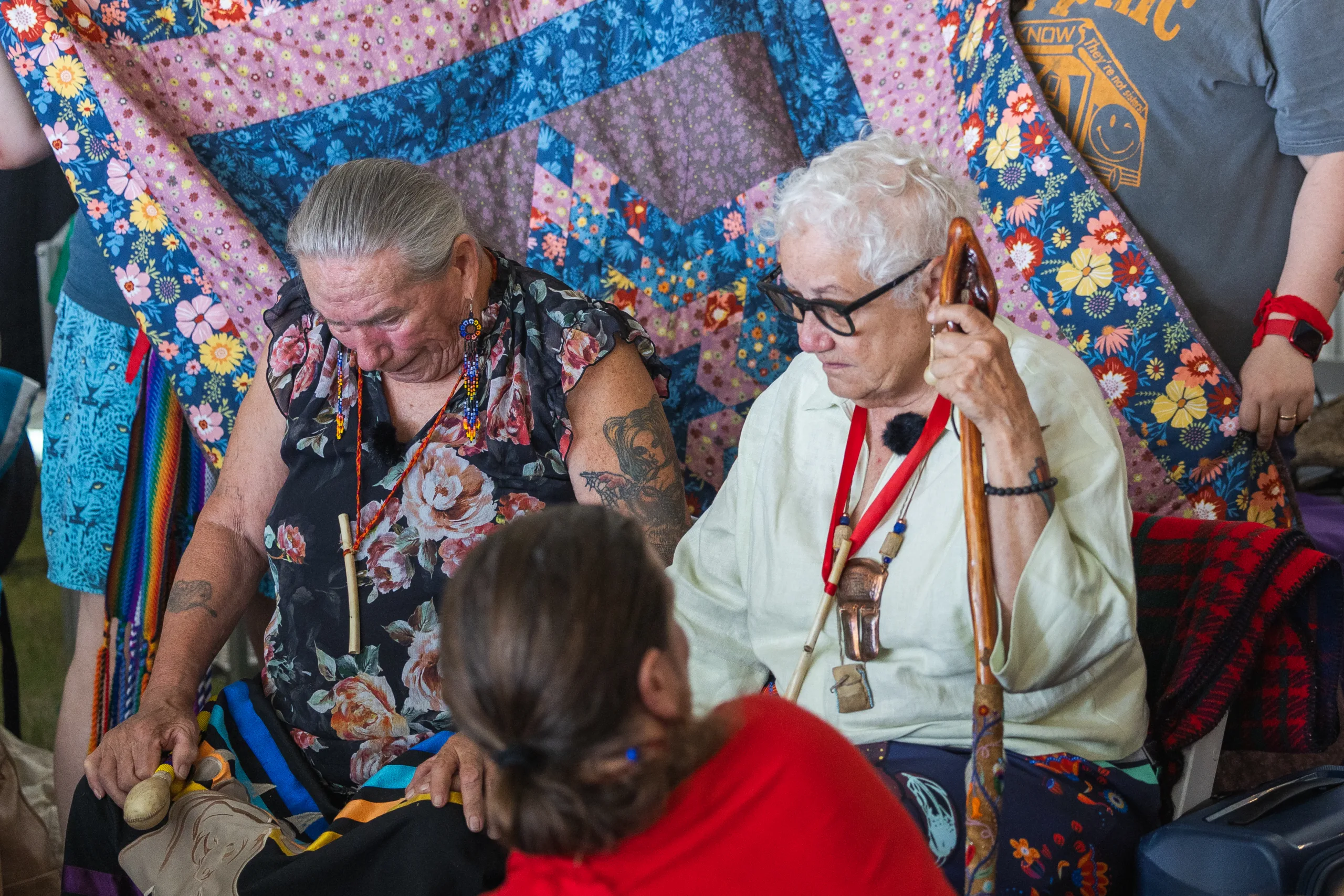
The Métis 2SLGBTQQIA+ National Committee has prioritized the creation of a national council of 2SLGBTQQIA+ kihtêyak elders, grandmothers, Knowledge Keepers and wise ones who can provide guidance and advice. The committee will collectively compile a contact list of Two-Spirit kihtêyak elders, Knowledge Keepers and Koohkominaanik who provide guidance and support. There is an urgent need to find Koohkominaanik who can commit to teaching regularly, and mentor 2SLGBTQQIA+ youth and adults on their spiritual journey. The importance of traditional intergenerational knowledge exchange must be prioritized so that our teachings, ceremonies, and traditions can be carried on for generations.
The committee will collaboratively define the roles of 2SLGBTQQIA+ kin in the community and ceremonial space so that communities can reclaim and celebrate those roles and practices. There are specific traditional Two-Spirit roles, but many communities do not know what they are. Resources are required on accessing traditional or religious ceremonies for Two-Spirit kin, especially for those who practice a traditional way of life and also practice a religion.
The committee means so much to me. Although I have amazing family and friends that accept me as 2SLGBTQQIA+ . I find I’m not totally myself. I hold things back for fear of offending them. They don’t totally understand who we are, which I don’t blame them for; they do try. With the committee I feel safe; I feel like I came home to a bunch of amazing people who understand me without judgement. I’m learning so much about myself through talks and ceremonies. Kokum Charlotte and Kokum Barbara, with their guidance, are so comforting. Teaching the ones who have never done ceremonies before with gentleness and knowledge reassures me that I’m in the right place. Love you all from the bottom of my heart.
Sheila Andrews
To me, Mawiiyahk Nakatikashoo (no one left behind) has shown me there is a place to safely come into circle with my Métis 2SLGBTQQIA+ kin from right across the homeland. Coming together in culture and ceremony has brought healing, allowing me to experience complete and total love plus acceptance of who I am for the first time in my life. It’s also lead me to reclaim our ancestral place as healers and medicine people within our nation. My fervent prayer is to seek guidance and wisdom from my Elders, Ancestors and Kise-Manitou Creator to help all of my Métis 2SLGBTQQIA+ kin experience the same love, healing, community and culture, plus deep connection to the lands and waters of Turtle Island I have come to know.
Rob Anderson
Living as Kise Manito intended us to.
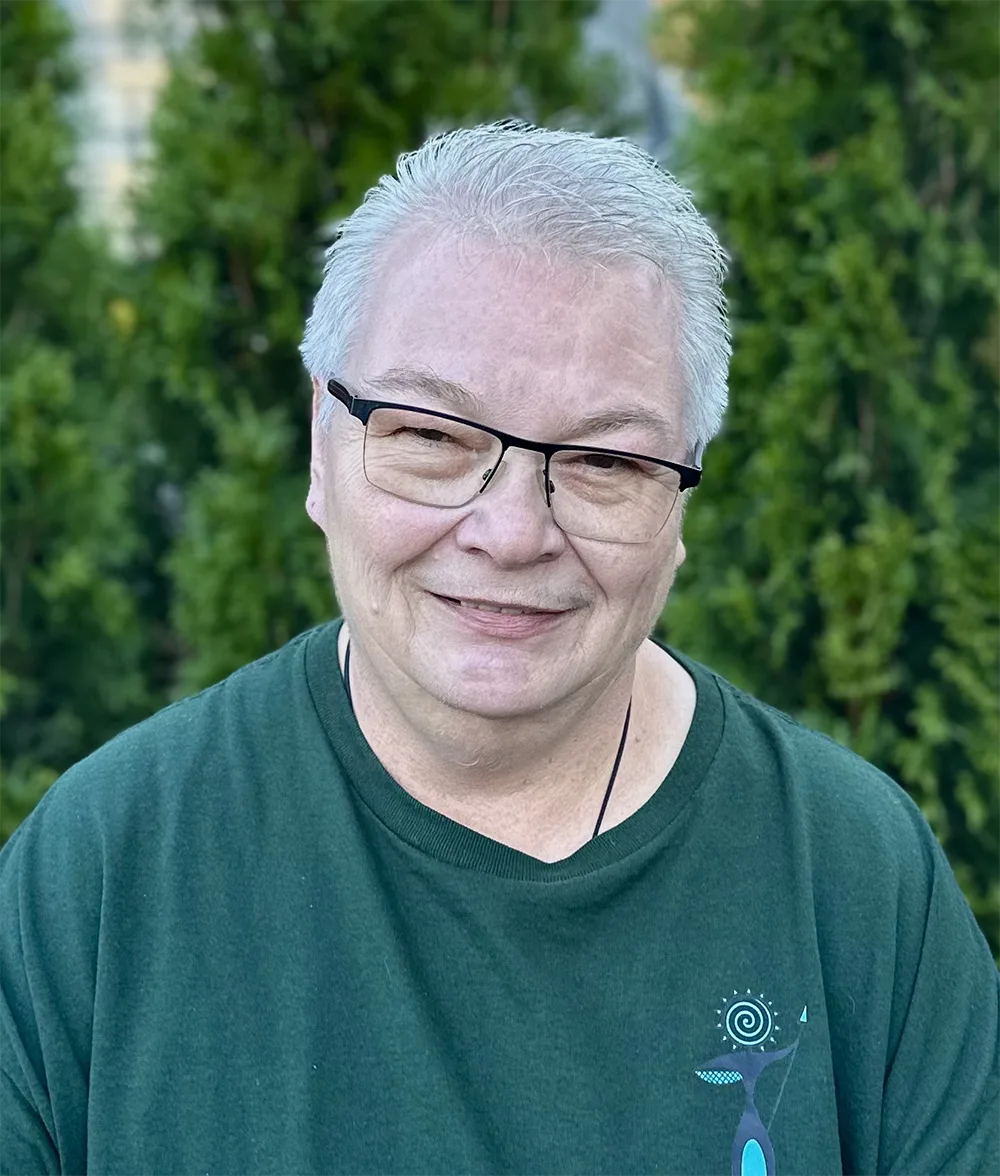
Kookum Charlotte Nolin
Coming in means there is a place for you in our circle. No one left behind means you never were truly alone, the ancestors saw you for who you truly are, we prayed for you, and you will always be held by our culture, community, lands, waters, ancestors, and kise manitou
Lydia Toorenburgh
Being part of this group has been one of the most meaningful experiences of my life. I feel fully seen, not just as someone who carries the strength and beauty of Métis culture, or as a 2 spirit person but also as someone who is Afro Indigenous. That part of my identity is often overlooked or misunderstood, but here it’s embraced with respect and love. This group has given me a space where I don’t have to explain or defend who I am. I can just be in community, in culture, in ceremony.
Angelina Lamy
I can’t understate how much this committee has done to reconnect me with my own community. It’s one thing to be active within your own local community, but to engage with, work with, and get to build a National community with other 2SLGBTQIA+ Métis persons from across the province is another thing. It’s an affirmation that I’m not alone in my identity, and that I have a right to be who I am.
Our work in this committee is incredibly important to me, as I’m not the first Two-Spirit person in my Family and I most certainly won’t be the last. This committee has given me so many opportunities to reconnect with my community and confidence in who I am; I want to make sure that any two-spirit kin who follow me have this same chance.
Jay Crawford
Mawiiyahk Nakatikashoo to me is a radical act of decolonization; as Two Spirit people we’re reclaiming our traditional roles within our Communities. We’re coming together, sharing Connections. We’re learning our strength by learning and relearning our Culture. And, in Ceremony we’re (re)discovering WE are Medicine. We take care of our Kin, as in the Wolf’s strength is in the pack, the strength of the pack is in the Wolf. No one left behind.
Topher Burke
mawiiyahk nakatikashoo has been a breath of fresh air in my life as a Métis-Cree, Two-Spirit person. Not only have I been allowed to grow and learn what it means to be Two-Spirit, but I have even learned how to define the term for myself with the support of the committee around me. Even the word ‘committee’ doesn’t sound right since all I feel when I sit at the table with my kin is community. Coming together with mawiiyahk nakatikashoo has allowed me to take up space in order to carve out a place for Two-Spirit Métis across so-called Canada. I am very grateful — kinanâskomitin.
Britney Supernault
It’s so important to find a space where you can be, and nurture your true self. I have found that in a lot of spaces that are Métis or 2SLGBTQQIA+ you are allowed to be only part of your identity, as other spaces can be not as fully accepting of who you are. The Kokums have welcomed me into a community that allows us to be whole, and I hope to give our people to feeling this as well.
Paige Bellerive
Being a part of this team truly is a gift. I’ve gotten to meet and make friends with amazing people from across our homeland. I’ve learned more about myself and the beautiful diversity that exists among two-spirit Métis. Mawiiyahk Nakatikashoo means we all have a voice at the table. We come together to celebrate community and culture through ceremony and connection. Our work builds bridges between our unique and shared identities, establishing a network of kin and queerness across the land and rivers that connect us.
Nicki Ferland
Michif
The National committee has a commitment to include Traditional Métis languages in all of their work. Identification of fluent kihtêyak elders, speakers, and knowledge holders is an important part of this commitment. The committee encourages the ongoing learning of Michif and will incorporate Michif into its resources, gatherings, and meetings.